
Blog / How to Start Your Event Management Career
Sundance Blog
How to Start Your Event Management Career

Hospitality Business Management Diploma
Employment Opportunities:
- Hotel Management
- Resort Management
- Conference & Event Management
- Catering or Event Sales Coordinator
Hospitality Business Management Learn more
Student aid eligible
13 July 2026 | Author: Nick Greene
| Read Time:
Quick Answer
To start an event management career, you need the right education, hands-on experience, and professional connections.
Begin by completing a Hospitality Business Management Diploma to get trained in vital skills like:
- Logistics
- Budgeting
- Industry software
- Management
Table of Contents
What do fundraisers, conventions, and weddings have in common?
They all require an event manager to bring them to life.
Event management professionals use organizational skills to keep every event running smoothly. Their leadership and creative problem-solving skills ensure everyone has an unforgettable experience.
Wondering how to step into this high-energy role? Here is how to build the right education and experience to get started.
What is Event Management?
Event management involves coordinating and executing events of all types and sizes. Working on-site during events, an event manager’s responsibilities include:
- Directing and coordinating staff, vendors, and volunteers
- Solving issues like malfunctioning equipment or missing supplies
- Handling event setup and breakdown
- Managing security, scheduling, and registration
- Overseeing the guest experience, including post-event follow-up
Event managers also work as event planners, handling tasks like event themes, budgeting, and venue selection.
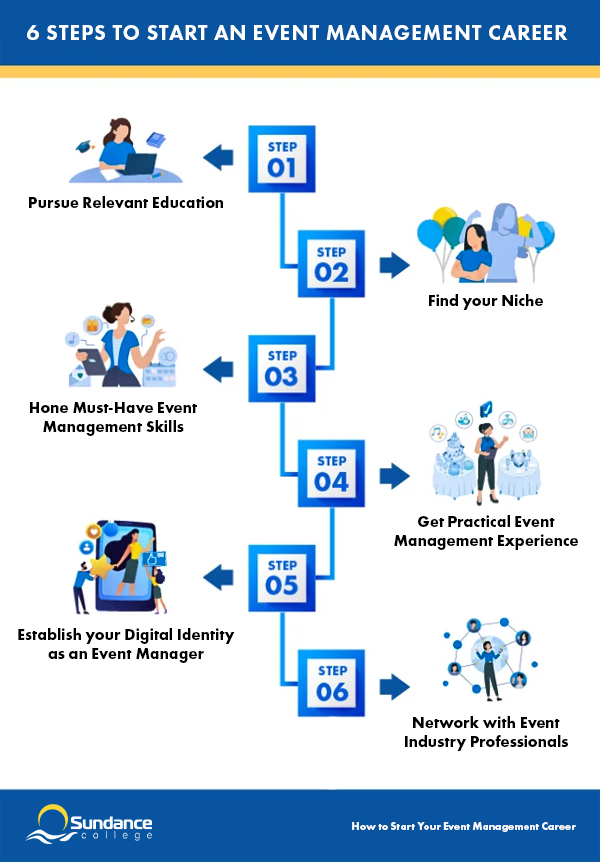
Six Key Event Management Career Steps
Step 1: Pursue Relevant Event Management Education
Hands-on education is key to pursuing a career in events. Diploma programs offer training and in-demand skills that employers seek. The best event management education includes:
- Accounting: Managing event costs and contracts
- Sales and Marketing: Promoting events and engaging audiences
- Supervision: Coordinating vendors and timelines
- Security: Managing guest safety, security staff, and emergencies
- Software: Specialized tools for scheduling and management
This education gives you the skills to take on roles in both event planning and event management.
Sundance College’s Hospitality Business Management Diploma Program delivers hands-on experience with industry software and management skills, allowing you to pursue globally recognized certifications through the American Hotel & Lodging Educational Institute (AHLEI).
To prepare you for this fast-paced sector, you will build professional skills in essential industry areas:
- Hospitality Computer Systems
- Hospitality Sales and Marketing
- Front Office Management
- Hotel and Restaurant Accounting
- Hotel/Motel Security Management
- Managing Food and Beverage Operations
Students must earn a grade of 70% or higher in a course to qualify for AHLEI certification.
Step 2: Find Your Event Management Niche

Event management is a diverse field. Narrowing down your niche to one you are passionate about helps focus your efforts.
Popular options include:
- Corporate events such as conferences, seminars, and special events
- Weddings
- Festivals and concerts
- Non-profit events like fundraisers and charity drives
- Conventions and exhibitions
By defining your niche, you can tailor your skills to meet each client’s unique needs.
Wedding planning, for example, requires creativity and an eye for design. Wedding planners translate client requests into themes and decor while managing budgeting, scheduling, and coordination.
Corporate event managers handle on-site coordination and security for larger gatherings. This role requires strong problem-solving and people skills. Anyone managing a corporate event must think on their feet to prevent disruptions from impacting guests.
Step 3: Hone Must-Have Event Management Skills
Event managers require a combination of business management skills, soft skills, and technical knowledge. Critical areas include:
- Attention to Detail: Tracking people, timelines, and equipment during events.
- Leadership and Communication: Clearly and effectively directing clients, teams, and vendors.
- Problem Solving: Dealing with unexpected disruptions on the fly.
- Time Management: Prioritizing tasks, delegating, and meeting tight deadlines under pressure.
- Tool Proficiency: Using event management software, communication and scheduling tools, and virtual event platforms.
- Budgeting: Managing finances, including cost estimates and expense tracking.
Step 4: Get Practical Event Management Experience

Hands-on experience is essential for a career in event planning and management.
Working with real events teaches you how to effectively apply your knowledge and skills. You’ll learn to handle pressure and think on your feet. Additionally, real-world experience helps you build a strong resume and expand your professional network.
A practicum is a great way to get on-the-job experience. Sundance College’s Hospitality Business Management diploma program includes a 5-week practicum opportunity in a hospitality setting.
Other options include:
- Assisting local event management companies or non-profits.
- Volunteering your services to local businesses.
- Organizing small-scale events for family and friends.
Use these early projects to build a professional portfolio that showcases your capabilities to future clients and employers.
Step 5: Establish a Strong Online Presence
A polished online presence builds your credibility and expands your reach as an event management professional.
Start by creating a professional website that clearly defines your services. Be sure to include a portfolio of past events along with positive client testimonials. Social media is also a powerful tool to build your digital identity and showcase your work.
Use platforms like Instagram, X, and TikTok to:
- Publish photos, stories, and live event updates
- Connect and network with industry professionals
- Engage with potential clients
- Share content that highlights your unique professional personality
Step 6: Network with Event Industry Professionals
Networking is key to growing your event management career. Build relationships within the events industry by:
- Attending industry conferences to meet industry leaders, discover current trends, and share ideas face-to-face.
- Registering for workshops to develop specialized skills while collaborating with peers.
- Connecting with other professionals at meetups and online using digital platforms like LinkedIn or local community gatherings to build professional contacts.
- Joining associations and participating in recognized Canadian groups.
A strong professional network provides event managers with valuable client referrals, mentorship, and opportunities for collaboration.
Your Event Management Career: How Sundance College Can Help
Event planning and management require the right combination of education and hands-on experience. Successful professionals are both knowledgeable about their niche and passionate about building a strong professional network and digital identity.
By following this guide, you will have the foundation you need to launch your new career in event management.
Take the first step today by connecting with an admissions advisor.
FAQs
-
What is event management, and what does an event manager do?
Event management is the process of coordinating and executing live events. An event manager handles on-site logistics including security, equipment setup, vendor coordination, and scheduling. They also manage post-event teardown, attendee feedback, and post-event marketing.
Event managers sometimes also work as event planners developing and organizing events.
-
What’s the difference between event planning and event management?
Event planners lay out the groundwork for a project by managing the initial design, budgeting, and venue selection. Event managers, who sometimes also take on event planning, ensure the actual event runs smoothly by tackling on-site logistics and real-time problem-solving.
-
How much does an event manager earn?
Event managers earn an average starting salary of up to $78,000. This varies depending on your chosen niche, location, and workplace.
-
What niche should I choose in event management?
When choosing an event management niche, consider your personality, knowledge, and interests.
For instance, if you have a creative flair and enjoy personal storytelling, wedding planning might be right for you. If you’re highly organized and business-minded, corporate event management may be a better fit. The key is to select a niche you know you’ll be passionate about.
-
What should I expect from my first event management role?
Early event management roles will involve assisting more experienced event professionals as you learn the basics. Key responsibilities include:
- Assisting with pre-event planning and day-of execution
- Providing administrative support
- Managing logistics for a specific operational area, such as food services or registration
- Coordinating arrival times and setups with vendors
-
What are the most important event management skills?
To succeed as an event manager, you need a diverse balance of professional attributes, including:
- Leadership to direct teams and keeping them motivated under pressure.
- Organization skills to track timelines, vendor contacts, and equipment lists.
- Problem solving on the go to handle unexpected structural or scheduling disruptions.
- Communication skills to relay clear instructions to clients, suppliers, and guests.
- Delegation of tasks to keep operations running smoothly.
Subscribe for more career advice
Blog Categories
Share on: