
Blog / How to Become a Hospitality Business Manager: A Comprehensive Guide
Sundance Blog
How to Become a Hospitality Business Manager: A Comprehensive Guide

Hospitality Business Management Diploma
Employment Opportunities:
- Hotel Management
- Resort Management
- Conference & Event Management
- Catering or Event Sales Coordinator
Hospitality Business Management Learn more
Student aid eligible
6 July 2026 | Author: Vallankan Mendonca
| Read Time:
Quick Answer
To become a hospitality business manager, enrol in a specialized diploma program that trains you in:
- Hospitality team supervision
- Sales and marketing for hospitality
- Hospitality computer systems
- Food and beverage operations
- Hospitality security management

Table of Contents
The hospitality industry includes hotels, restaurants, events, and travel services throughout the world. Hospitality business managers oversee operations to ensure positive guest experiences and business growth.
These managers oversee the entire customer journey. Their operational decisions directly affect customer satisfaction metrics, positive online reviews, word-of-mouth recommendations, and repeat business.
At the time of writing, there are over 7,000 hospitality manager job openings being advertised. Hospitality managers earn up to $78,000 annually.
Top Four Reasons to Become a Hospitality Business Manager
Hospitality management is a dynamic career built around people, experiences, and strategic business operations. Every day brings new opportunities to solve problems, support guests, and keep businesses running efficiently.
If you enjoy working with people and want strong career growth, here’s what a future in hospitality management can mean for you:
1. Work Anywhere in the World
Dreaming of living near a beach, in a major city, or at a world-class tourist destination? Hospitality offers opportunities to work around the world. Hotels, resorts, and entertainment venues value skilled hospitality managers.
2. Growing Demand for Skilled Professionals
Travel, tourism, and live events are an important part of the global economy. As more people travel, attend events, and book accommodations, hospitality businesses require trained professionals to manage teams and meet rising guest expectations.
3. Desirable Hospitality Business Skills
With the right training, you’ll build core business skills in:
- Supervision
- Sales
- Marketing
- Accounting
- Front office
- Security
- Operations
- Human resources
This versatility will make you an asset in any organization.
“Hospitality management teaches skills that can travel with you throughout your career. Whether you work in tourism, events, sales, or business operations, those experiences continue to add value.”
-Reginald M., Hospitality Business Management Instructor, Sundance College
4. Rewarding Professional Experiences
From family vacations and dream weddings to corporate conferences and milestone events, hospitality managers operate behind the scenes of meaningful moments.
Knowing that your skills created seamless and memorable experiences for guests makes the work rewarding.
The Role of a Hospitality Business Manager

As a hospitality business manager, you’ll wear many hats. One day, you might be supporting staff and addressing guest concerns. The next, you could be reviewing budgets, planning promotions, or helping improve business performance.
While responsibilities vary by workplace and role, most hospitality managers are involved in these core responsibilities.
Core Responsibilities
The core responsibilities of a hospitality business manager can vary depending on their specific role and area of expertise within the industry. To give you an idea, let’s focus on six areas that a hospitality manager is usually responsible for:
- Customer service: As a hospitality manager, you’ll be responsible for ensuring that guests receive excellent service and have a positive experience. This may involve training employees in customer service skills, developing customer service protocols, and monitoring guest feedback to identify areas for improvement.
- Operations: You’ll need to oversee the day-to-day operations of a hospitality business. This may involve managing staff, monitoring equipment and facilities to be properly maintained, and tracking inventory levels.
- Compliance with regulations and standards: One of your primary tasks as a hospitality business manager is to make all business operations compliant with industry-related regulations and standards. For example, you will need to oversee that food is properly stored and prepared, accommodations are clean and safe, and staff are treated fairly.
- Finances: Working as a hospitality business manager, you may create budgets for operations, staffing, food and beverage, and sales and marketing. Additionally, you’ll be responsible for managing cash flow and forecasting revenue and expenses.
- Business strategies: As a hospitality professional overseeing various areas of hotel or restaurant operations, you will contribute to the development of effective business strategies. This means you’ll assist in creating a clear roadmap for how to allocate resources, make decisions, and take actions to drive the business forward and ensure its long-term success.
- Marketing: Your versatile experience in hospitality business operations can be quite helpful in creating effective marketing campaigns to attract new customers. For this, you may be required to collaborate with other departments or contractors and utilize social media to help your hotel or restaurant effectively expand its customer base.
Key Skills And Qualities
As you can see, hospitality business managers handle a wide range of responsibilities. To manage them effectively, these professionals require a unique blend of skills:
- Hospitality Computer Systems
Technology gives hospitality managers a real-time view of sales, operations, and business performance. Working with restaurant management systems, hotel sales applications, and accounting software is central to the role. - Sales and Marketing
Hotels and restaurants compete for market attention every day. Sales and marketing knowledge provides the insight needed to attract customers and encourage repeat visits. - Team Supervision and Human Resources Management
Hospitality managers lead diverse teams, from new hires to experienced professionals. Supervisory skills keep staff motivated and working toward shared organization goals. - Hospitality Security Management
Whether someone is staying overnight, attending an event, or dining out, they expect a safe environment. Meeting those expectations requires strict attention to guest protection, loss prevention, and security procedures. - Communication and Interpersonal Skills
Hospitality managers interact with guests, employees, and industry partners every day. Communicating professionally is essential when providing direction, resolving issues, and adapting to changing situations.
“The reason I chose Sundance College was because it covered all aspects of hospitality management.”
– Akshay D., Hospitality Business Management Graduate
Educational Pathways to Becoming a Hospitality Business Manager

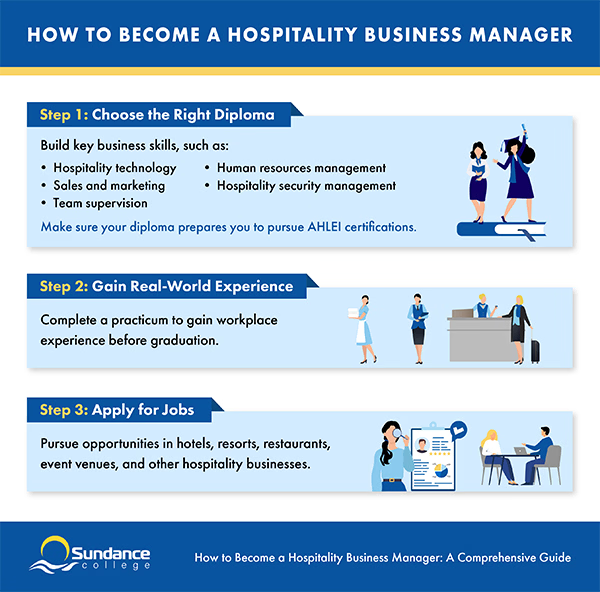
Good news: You don’t need years of training to launch a hospitality management career.
A specialized diploma can fast-track your entry into the field, while preparing you for globally recognized hospitality certifications.
As you explore your training options, here’s what to consider.
Choose a hospitality diploma program that includes a practicum opportunity to gain real world experience before graduation.
During a practicum, you may gain exposure to front office management, food and beverage operations, housekeeping, and human resources.
The best hospitality diploma programs provide specialized hands-on training, real-world experience, and career services support so you can start your new career in under a year.
Potential Hospitality Management Employers
Picture this: You’ve graduated from a career college with a Hospitality Business Management Diploma. What’s your next step? Submitting your resume to potential employers.
Here are some hospitality sectors offering exciting opportunities for employment:
- Hotels and resorts
- Cruise lines
- Airlines
- Event planning and management companies
- Theme parks and attractions
- Convention centers and meeting facilities
- Casino and gaming establishments
- Catering companies and banquet facilities
- Golf courses and country clubs
- Sports and entertainment venues
- Travel agencies and tour operators
- Hospitality consulting firms
- Government tourism departments and organizations
- Non-profit organizations related to the hospitality industry
- Education and training institutions, such as colleges and universities, offering hospitality programs
These are just some examples of potential employers for starting your hospitality business management career. The industry is broad and diverse, and there are many other opportunities available depending on your own interests and career goals.
Career Opportunities

Every hospitality organization depends on professionals who can coordinate teams, manage services, and create positive guest experiences. Because these skills are valuable in many areas of the industry, hospitality professionals can pursue a variety of career paths based on their interests and strengths.
Hotel Management
From guest arrivals to daily operations, you’ll help shape the experiences people remember long after their stay.
Resort Management
People visit resorts for relaxation and recreation. You’ll oversee the services that make those stays memorable.
Conference and Event Management
Whether it’s a corporate conference, trade show, or special event, you’ll coordinate the intricate details that bring people together.
Catering or Event Sales Coordinator
Every event starts with a vision. You’ll work directly with clients to plan services, manage details, and create an experience that matches the occasion.
Hospitality Administration
Behind every successful business is an organized team. You’ll coordinate schedules, communications, and daily operations to support both guests and staff.
What Sundance College Offers
Within six months of completing their program, 87% of Hospitality Business Management diploma program graduates from Sundance College are employed in their area of study. Here’s how the program sets you up for success:
Industry-Focused Training
Build skills in key areas of hospitality management, including:
- Sales and marketing
- Front office operations
- Team supervision
- Managerial accounting
- Hospitality computer systems
- Security management
Real-World Experience
You’ll also complete a 5-week practicum opportunity in a hospitality workplace. This hands-on experience allows you to demonstrate your skills and knowledge directly to potential employers.
Industry-Experienced Instructors
Learn from instructors who have worked in the field. Their firsthand experience provides valuable insight into how hospitality organizations operate and what employers look for.
Globally Recognized Certifications
Your diploma prepares you to pursue industry-recognized certifications through the American Hotel & Lodging Educational Institute (AHLEI), instantly strengthening your credentials.
Learning that Fits Your Life
Study online or on campus, to fit your schedule. The modular format helps you focus on one subject at a time.
Student Support
Support begins the moment you enrol. Live onboarding sessions will guide you through our online learning platform, helping you easily find lectures, assignments, and course expectations.
After onboarding, the Becoming a Master Student (BAMS) course builds your time management, study habits, and goal setting.
Throughout your diploma program, Student Services connects you to personal, wellness, and financial resources. That includes 24/7 access to our mental wellness program.
Lifetime Career Support
Access Career Services during your program and long after graduation. Our team provides job search strategy, resume building, and interview preparation support as you pursue employment opportunities.
Hospitality Training That Leads to Employment
The combination of industry-focused training, practicum experience, and career support helps you prepare for the workforce.
Ready to take the next step? Connect with an admissions advisor today.
Frequently Asked Questions
-
How do I become a hospitality business manager?
To become a hospitality business manager, enrol in a diploma program that trains you in:
- Team supervision
- Sales and marketing
- Hospitality technology
- Food and beverage operations
- Hospitality security management
Make sure your program includes a practicum opportunity and prepares you for globally recognized hospitality certifications. You will build practical skills and strengthen your career prospects.
-
What does a hospitality business manager do?
Hospitality business managers oversee the daily operations of businesses that serve guests, visitors, and event attendees. Their primary responsibilities include:
- Customer service
- Sales and marketing
- Team supervision and leadership
- Financial management
- Front office operations
- Food and beverage management
-
What skills do hospitality business managers need?
Hospitality business managers require a balanced mix of soft skills and technical abilities to support:
- Business goals with sales and marketing
- Optimized daily operations
- Meeting guest experience standards
- Leadership
- Hospitality security management
-
What certifications can I earn while studying hospitality?
Look for a program that will prepare you for hospitality certifications through the American Hotel & Lodging Educational Institute (AHLEI). These globally recognized credentials will strengthen your professional profile and support your hospitality career.
-
How does a hospitality practicum help launch your career?
A hospitality practicum gives you an opportunity to experience the industry firsthand even before graduation. You’ll apply what you’ve learned, gain workplace experience, and network with professionals in the field.
-
How much does a hospitality business manager earn?
Hospitality business manager salaries vary based on experience, location, employer, and job responsibilities. On average, experienced hospitality managers can earn up to $78,000 annually.
Subscribe for more career advice
Blog Categories
Share on: